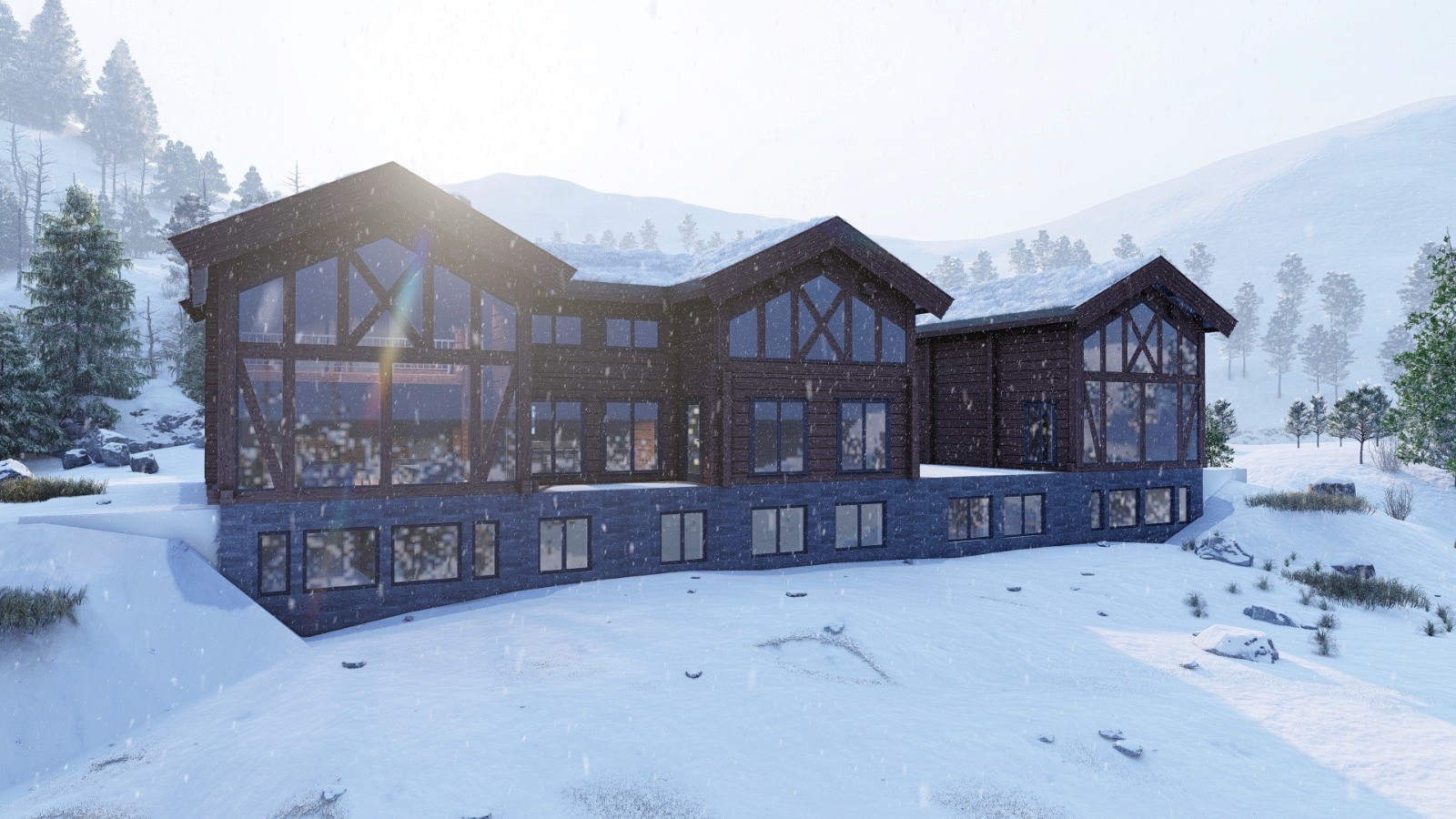
How to Design a Mountain Cabin for Both Family and Guests
May 19, 2026
A well-designed mountain cabin should do two things equally well: bring people together and allow everyone to feel comfortable staying longer. That balance has become increasingly important in modern Nordic cabin design. Today’s cabins are no longer just compact weekend retreats used a few times each winter. Many families now spend extended holidays in the mountains, work remotely from nature, invite friends for ski weekends or create spaces where multiple generations can stay together comfortably under one roof.
The most successful cabin layouts are often the ones that quietly solve this challenge through thoughtful planning.
Creating Social Spaces That Feel Natural
In most modern mountain cabins, the heart of the home is no longer divided into small separate rooms. Instead, the kitchen, dining area and living room are combined into one open social space designed around togetherness.
After a day outdoors, everyone naturally gathers in the same area - cooking dinner, sitting by the fireplace or simply enjoying the mountain views through large panoramic windows. These shared spaces work best when they feel generous but still warm and cozy. High ceilings, natural timber surfaces, soft lighting and carefully positioned fireplaces help create atmosphere without making the room feel overly formal.
Large dining tables have also become an essential part of cabin living. They are no longer used only for meals, but for long conversations, board games, remote work and slow mornings with coffee while snow falls outside.
Privacy Matters More Than Size
One of the biggest mistakes in cabin design is focusing only on the total square meters instead of how the spaces actually function when the cabin is full.
A cabin designed for both family and guests needs separation as much as openness. That is why many modern layouts now include:
guest suites with private bathrooms
loft areas for teenagers or visiting friends
separate sleeping wings
secondary lounge areas
flexible rooms that can adapt over time
This creates a more relaxed atmosphere where everyone can maintain their own rhythm during longer stays. Parents can enjoy quiet mornings while children sleep upstairs. Grandparents can have a more private guest room. Friends visiting for a ski weekend can stay comfortably without feeling like they are sleeping in the middle of the family living room.
Good cabin design allows people to be together naturally without forcing it every moment of the day.
Why Multiple Bathrooms and Saunas Change Everything
In larger mountain cabins, comfort is often defined by the practical details. A second bathroom may not sound exciting during the design phase, but during busy ski weekends or summer holidays, it quickly becomes one of the most appreciated features in the house.
The same applies to saunas. In Nordic cabin culture, the sauna is no longer simply an additional luxury feature. It has become part of the everyday mountain lifestyle - a place to recover after skiing, hiking, biking or cold winter days outdoors. Well-designed cabins often place the sauna close to outdoor terraces, lake or mountain views, relaxation areas, secondary bathrooms or wellness spaces.
This transforms the sauna experience into a central part of the cabin atmosphere rather than an isolated utility room.
Flexible Spaces Make Cabins Future-Proof
The most timeless cabins are usually the ones designed with flexibility in mind. Children grow older. Families expand. Working habits change. Guests stay longer. Weekend cabins slowly become second homes.
Rooms that can evolve over time make the cabin more valuable both emotionally and practically. A loft can begin as a children’s sleeping area and later become a quiet reading space or home office. A guest room can eventually function as a private suite for older family members. A secondary lounge can become a TV room, gaming space or additional sleeping area.
The goal is not simply to maximize sleeping capacity. It is to create a cabin where people genuinely enjoy spending time together, while still having enough privacy to fully relax.
And in the end, that is what great mountain cabin design is really about: creating a place that feels welcoming no matter how many people arrive at the door.