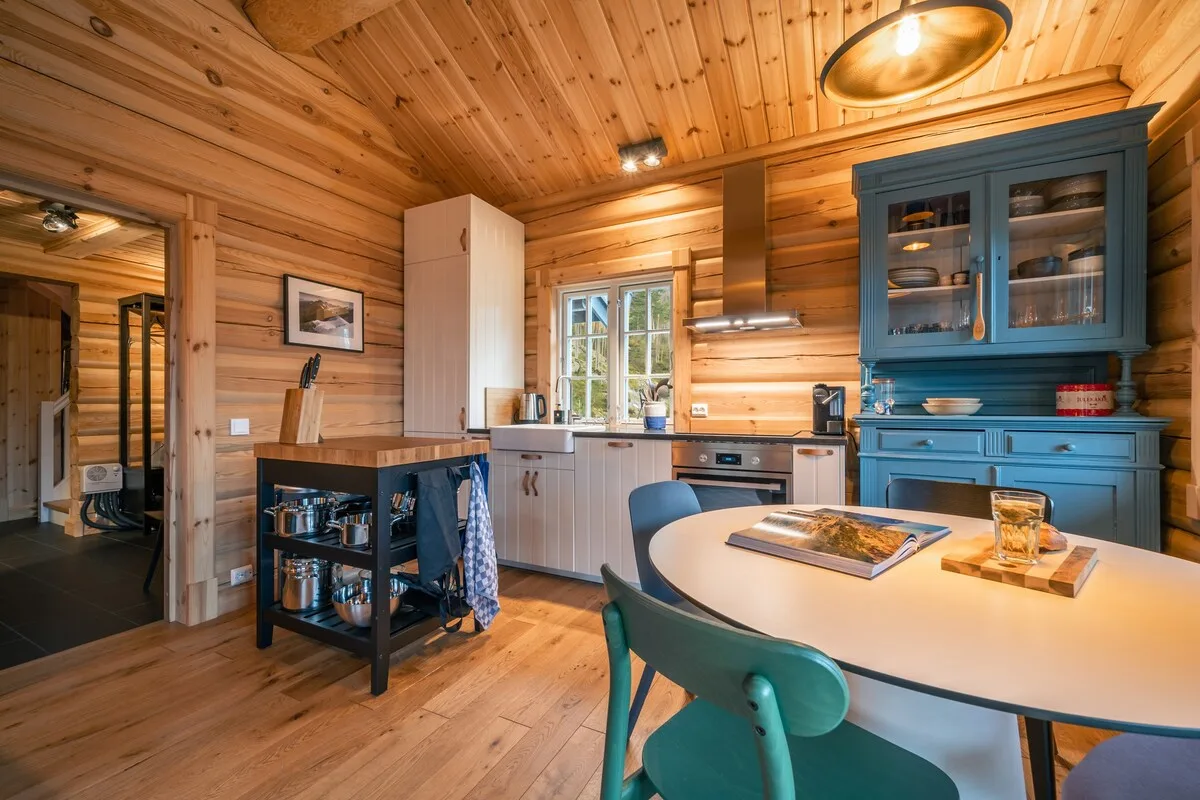
How Log Cabins Have Evolved Over Three Decades
Mar 3, 2026
For nearly 30 years, since 1998, one thing has been clear: the log cabin is never static. It evolves with lifestyle, architecture and the way we experience nature.
What began as compact, traditional retreats has transformed into light-filled architectural statements in the mountains. And yet, beneath the changing designs, the heart of the log cabin remains the same.
The Classic Nordic Cabin
In the late 1990s and early 2000s, cabins often featured:
Dark-stained log exteriors
Smaller windows designed for insulation
Clearly defined rooms with lower ceilings
A compact, cozy interior atmosphere
These cabins felt protective - solid shelters against wind, snow and long Nordic winters. They were practical, robust and built to last. The focus was on durability and warmth. And they worked beautifully for their time.
The Rise of Light and Openness
As lifestyles shifted, so did expectations. Cabins are no longer just places to sleep after skiing. They have become year-round homes for work, wellness and extended family gatherings.
Today’s trends often include:
Larger windows that frame mountain views and flood interiors with daylight
Open living areas with higher ceilings that create space and flow
Blending wood with stone, glass and steel for a cleaner architectural expression
Dedicated gear rooms for skis and bikes
Private saunas for recovery and relaxation
Home offices designed for longer stays and remote work
The modern cabin doesn’t hide from the landscape. It embraces it. Panoramic glazing brings the mountains inside. Open layouts encourage connection. Materials are carefully combined to create contrast while keeping wood as the natural hero.
Technology Behind the Beauty
Design preferences change. Details evolve. Technology improves.
Precision joinery, advanced insulation systems and better moisture control solutions have elevated what is possible in timber construction. Modern production techniques allow for greater accuracy, improved efficiency and consistent quality. But innovation is meaningful only when it strengthens what matters most: longevity and reliability in demanding Nordic climates.
What Never Changes
Despite architectural shifts, three core values remain constant:
Quality craftsmanship
Durability built for harsh winters and changing seasons
A warm, welcoming atmosphere for gathering
A log cabin has always been about more than design. It is about returning from a day on the slopes, hanging up skis in a well-organized gear room, stepping into a sauna and gathering around a large table as snow falls outside. It is about summer mornings before a mountain hike. Autumn evenings by the fire. Shared meals that stretch late into the night.
Beyond Trends: A Lifestyle Investment
A log cabin is not a seasonal fashion statement. It is a long-term investment in how you want to live.
Trends will continue to shift - perhaps toward even more glass, smarter energy systems or new material combinations. But solid construction and meaningful experiences will always define a great cabin.
The true measure of a cabin is not how closely it follows architectural fashion, but how well it supports the life inside it. If you are considering your own mountain retreat, now is the time to think beyond trends. Consider how you want to feel when you arrive. Consider how your family will use the space in five, ten, twenty years.
The landscape is timeless. Your cabin should be too.