Log Cabin Roofs: Built from the Inside Out
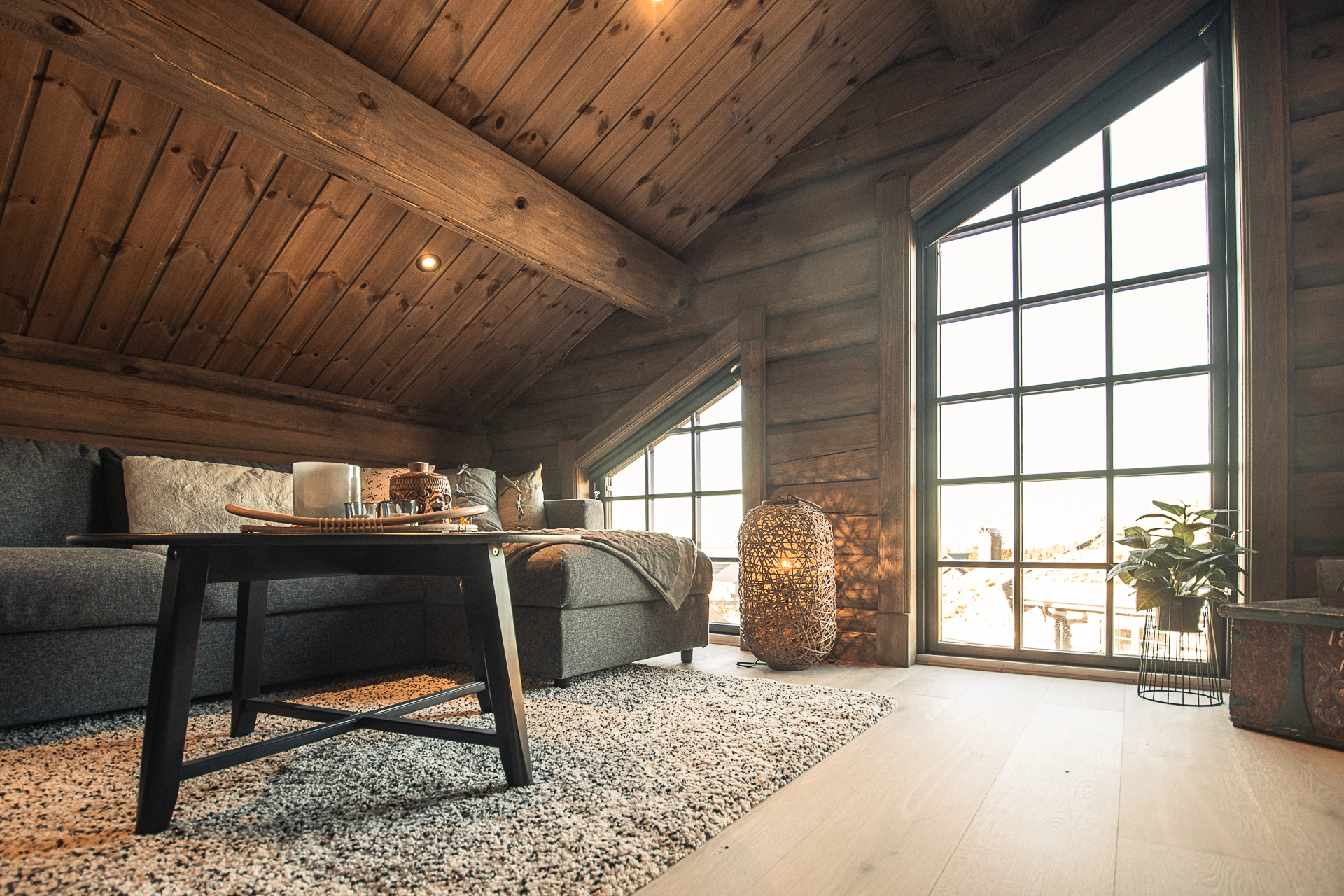
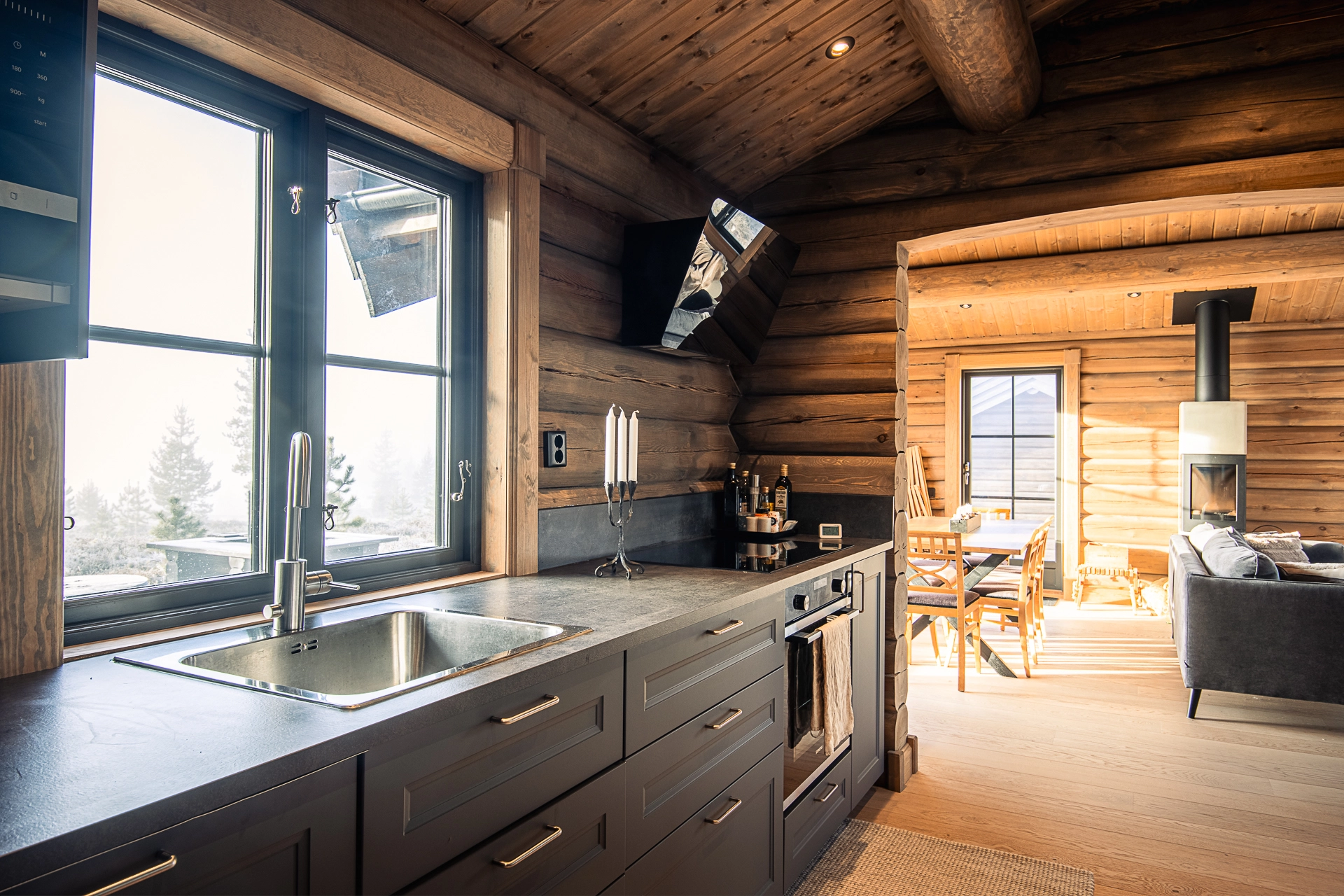
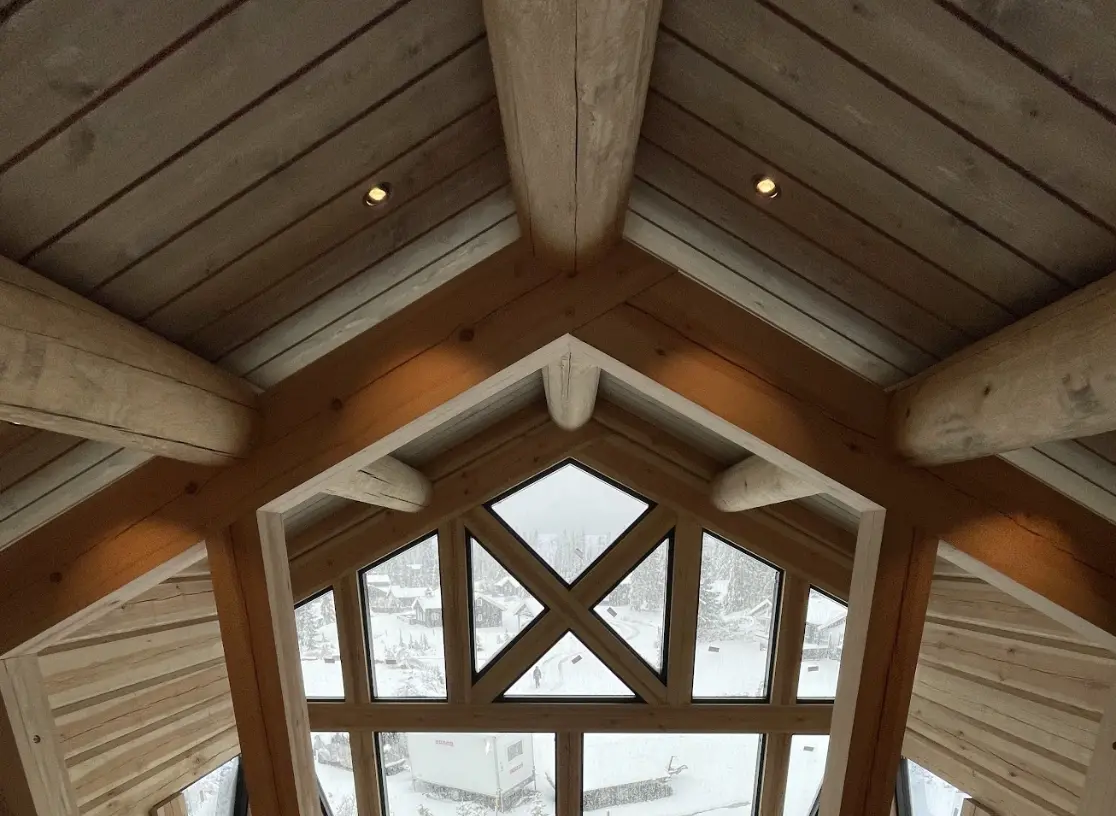
In a traditional log cabin, the roof is constructed upside-down compared to an element house. Builders first install the interior finish – the beautiful visible boards that become part of the ceiling design – and only then move upward with insulation and roofing layers.
Here’s how it works:
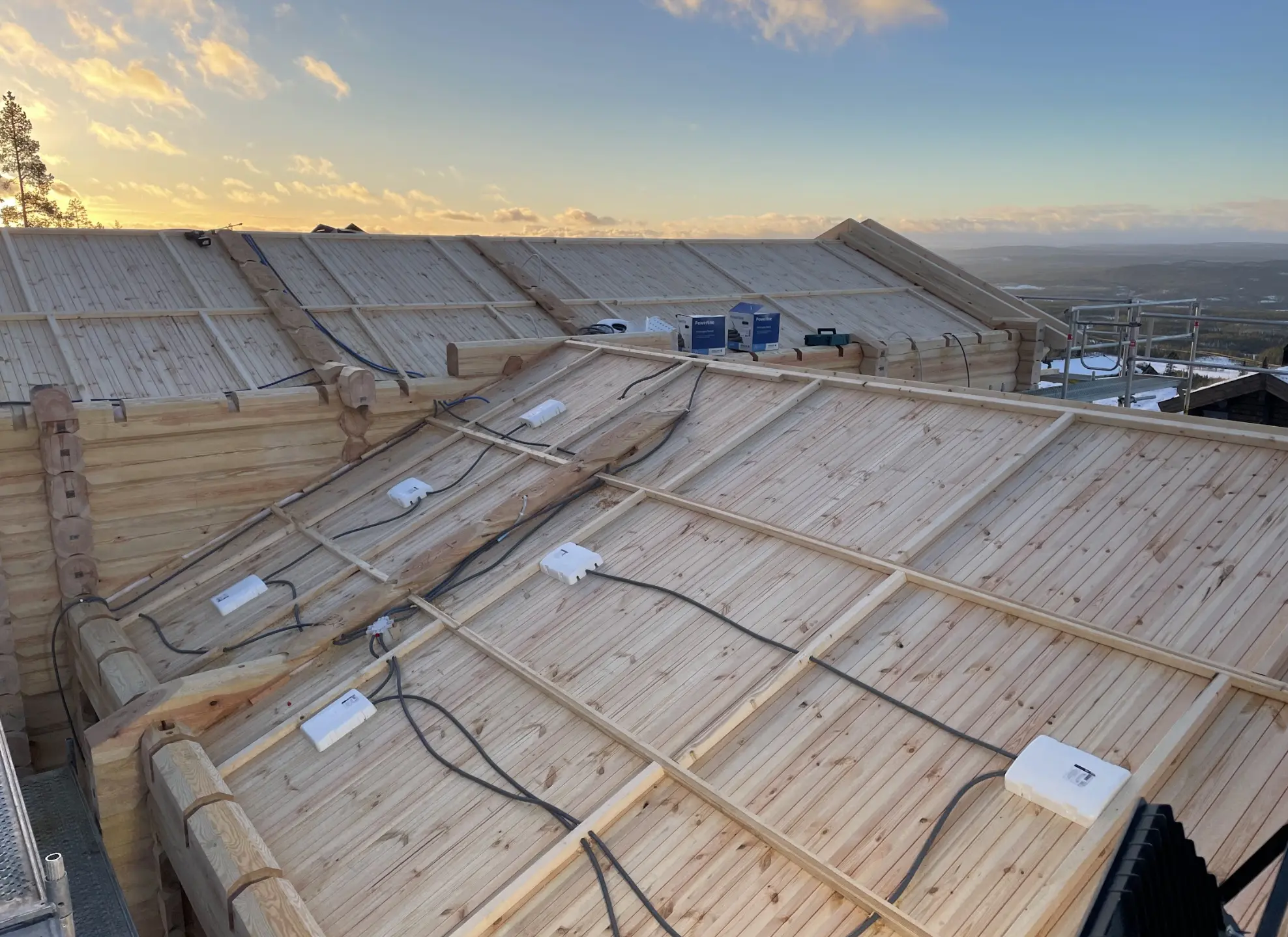
- Start with the ceiling boards (the visible interior finish).
- Install communication laths (45×45 mm) – these hold the electrical wiring and sit under the vapor barrier.
- Add insulation (wool) above the finish.
- Apply the vapor barrier to protect from moisture.
- Add rafters and more insulation layers.
- Finish with roofing material on top.
Log cabins are built with natural settling in mind, this “sliding roof” system allows for slight movement in the logs without damaging the structure. It’s a design born from craftsmanship and centuries of tradition.
Element (Frame) Houses: Built from the Outside In
In contrast, element or timber frame houses are built in a more standardized, layered way. The process starts from the outside and works inward:
- Rafters are installed, followed by roofing membranes and outer covering.
- The roof is then insulated from below.
- Vapor barrier is added underneath.
- Communication laths (for electrical wiring) go next.
- Finally, the interior finish is installed at the end.
Two Approaches, One Goal
Both systems aim for the same outcome – a well-insulated, durable, and beautiful roof.
But the difference lies in the philosophy:
- Log cabins celebrate craftsmanship and natural materials, built layer by layer from the inside out.
- Element houses focus on efficiency and control, built from the outside in.
Each method reflects its home’s soul – one rooted in tradition, the other in modern engineering.